My Process
Before I was a UX designer, I was an Industrial Designer - trained to sit with users, ask questions, and sketch ideas by hand before ever touching a screen. That foundation still shapes how I work today: research first, empathy always, and organization to keep it all moving.
User Interviews
I start every project with user interviews. I've had more than 100 formal interviews talking directly with the people who use our products to understand their problems firsthand and build a clear picture of the issues that come up again and again.

Each interview is captured as a card. These cards have their name, photo, key insights, opportunities, and even quotes. Putting a face and a name to each participant turns the research from a stack of data points into real people, and shows stakeholders the depth of the work behind every recommendation.

Focus Groups (AND SFR)
I've led over 12 focus groups across the country, spanning everything from early-stage ideation to post-launch feedback: covering UX, marketing initiatives, and product decisions.
I love building relationships with users and getting to know them on a first name basis. When they feel comfortable sharing with you, it's far easier to get quick, authentic feedback. They trust my goodwill and know negative feedback won't hurt any feelings :)


Hand Sketching
Hand-sketching potential designs when I feel stuck or overwhelmed by ideas is a habit I built during my training as an industrial designer: one I still rely on every day to quickly find visual clarity.


Tracking and Organization
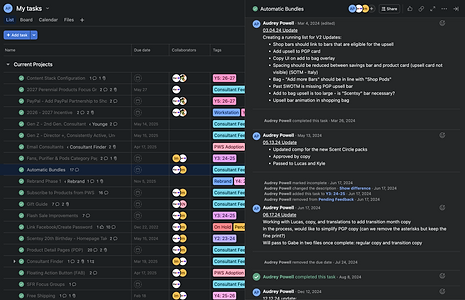
I structure all project documentation around the core narrative—problem, solution, research, and measurable impact—while maintaining detailed meeting notes and formal records as a reliable source of truth for the team. Having a clear history of decisions makes future handoffs and long-term project maintenance dramatically easier down the line.